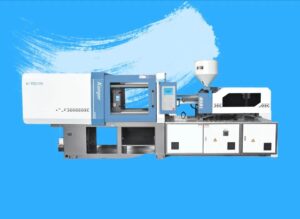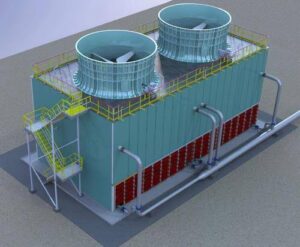
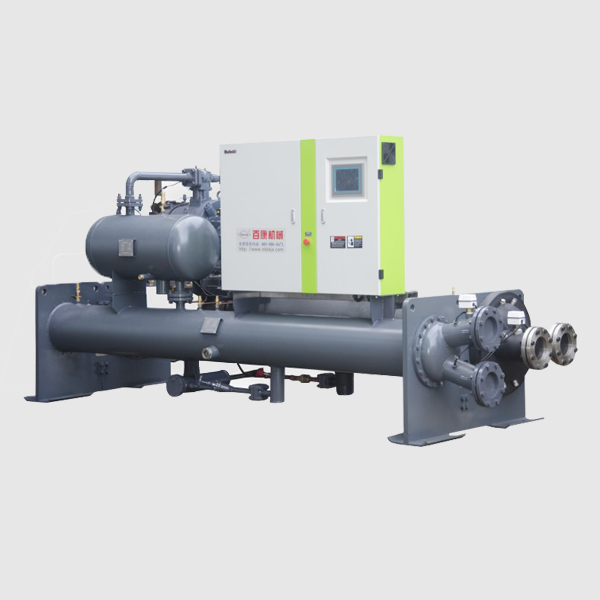
An Industrial Chiller Machine is a high-performance cooling system used to remove excess heat from industrial processes and machinery. It plays a vital role in industries such as injection molding, blow molding, pharmaceuticals, food processing, chemicals, and more. By circulating chilled water or coolant through the system, the chiller helps maintain optimal operating temperatures, preventing overheating and ensuring consistent production quality. Modern chiller machines are equipped with advanced features like PLC or HMI control panels, energy-efficient compressors, and safety alarms—making them easy to operate, reliable, and cost-effective. Whether it’s an air-cooled or water-cooled model, an industrial chiller is essential for enhancing productivity and equipment longevity.
✅ What is an Industrial Chiller Machine?
An Industrial Chiller Machine is a refrigeration system designed to remove heat from industrial equipment and processes. It keeps machinery at an optimal temperature, ensuring smooth, continuous operation across manufacturing plants like plastic molding, pharmaceuticals, food processing, and chemical industries.
⚙️ Smooth Working Process
Industrial chillers work in a closed-loop system, following these steps:
- Heat Absorption: The process water or coolant absorbs heat from the machinery or production system.
- Compression: The refrigerant gas is compressed to increase its pressure and temperature.
- Condensation: The hot gas moves to the condenser where it is cooled and turned into liquid.
- Expansion: The liquid refrigerant passes through an expansion valve, reducing pressure and becoming cold.
- Evaporation: The cold refrigerant absorbs heat from the process fluid again and the cycle continues.
⭐ Key Features of Industrial Chiller Machines
Energy-Efficient Compressors – Rotary or scroll type for high performance
Smart Control Panel – PLC or HMI touchscreen for automated control
Temperature Accuracy – Maintains temperature within ±1°C tolerance
Overload Protection – Built-in safety mechanisms
Silent Operation – Low noise and vibration
Corrosion-Resistant Materials – Stainless steel water tanks and pipes
Multiple Cooling Capacities – From 3TR to 100TR and beyond
🛠️ Technical Specifications (Example)
Feature Description
Cooling Type Air-Cooled / Water-Cooled
Capacity Range 5 Ton – 100 Ton
Temperature Range 5°C – 30°C
Compressor Type Scroll / Screw / Reciprocating
Control System PLC / HMI / Digital Thermostat
Voltage 380V / 50Hz / 3 Phase
Refrigerant R22 / R407C / R134A
✅ Advantages of Using Industrial Chiller Machines
Prevents Equipment Overheating – Ensures safe and smooth production
Reduces Downtime – Minimizes breakdowns due to overheating
Improves Product Quality – Maintains consistent processing temperature
Energy Savings – Smart chillers consume less electricity
Extended Machine Life – Protects and preserves industrial machinery
Scalable Design – Available in various capacities for different industries
🏗️ Where Are Industrial Chiller Machines Used?
Industrial Chiller Machines are used across a wide range of industries that require precise and consistent cooling for their processes or equipment. Here are the most common sectors and applications:
🔧 1. Plastic Industry
Used in injection molding, blow molding, and extrusion to cool down molds and hydraulic oil, ensuring product quality and preventing deformation.
💊 2. Pharmaceutical Industry
Maintains controlled temperatures for reactors, mixers, tablet coating machines, and storage environments to meet strict GMP standards.
🥶 3. Food & Beverage Industry
Used for cooling mixing tanks, pasteurizers, and packaging machines in dairy, meat processing, beverage plants, and frozen food production.
🏭 4. Chemical Industry
Helps control exothermic reactions by cooling chemical reactors, storage tanks, and other equipment that generates heat.
🖨️ 5. Printing Industry
Keeps printing rollers and ink at consistent temperatures, which improves print quality and prevents smudging during high-speed printing.
💡 6. Electronics & Semiconductor
Controls temperature in PCB manufacturing, clean rooms, and cooling of sensitive electronic components to avoid damage.
🧪 7. Laboratories & R&D Centers
Maintains accurate cooling in lab equipment, testing chambers, and medical storage units.
🏢 8. HVAC Systems for Commercial Buildings
In large offices, hospitals, shopping malls, and hotels, industrial chillers are used for central air conditioning systems