




Description
Robot Pick-Up & Drop Systems: Transforming Automation and Efficiency
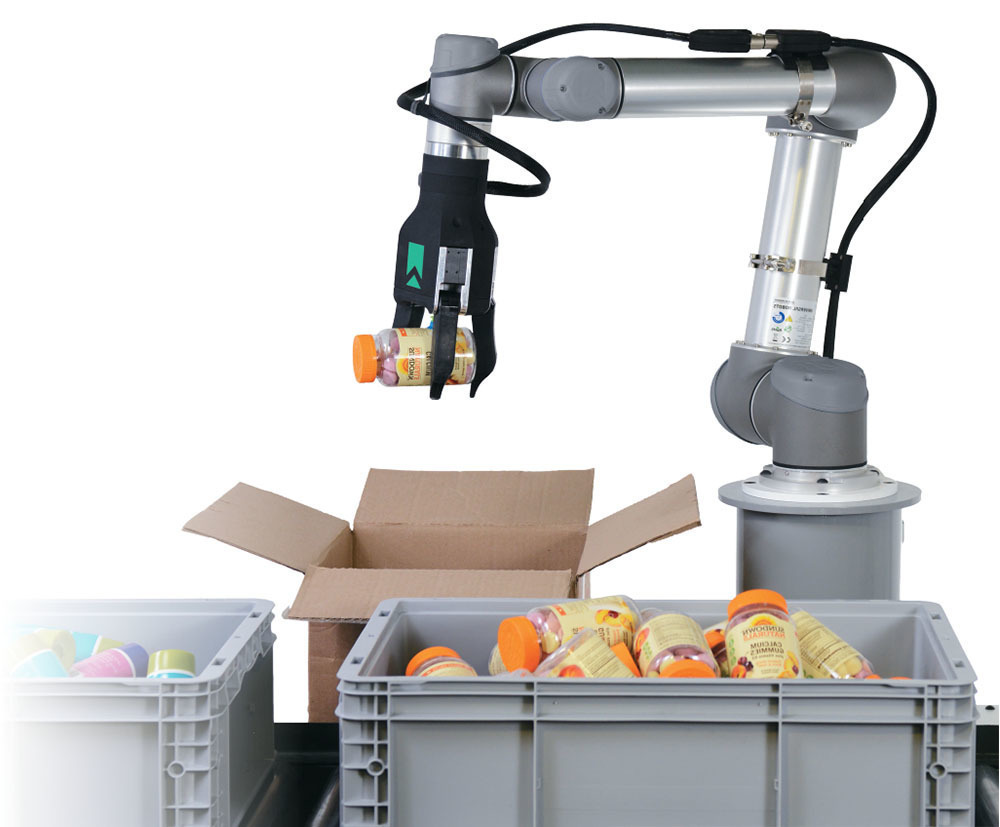
Robot Pick-Up & Drop Systems are automated solutions designed to handle the transfer of objects from one location to another with speed, precision, and efficiency. These systems typically consist of a robotic arm equipped with end-effectors (e.g., grippers, suction cups) to securely pick up and place items. They often integrate with vision systems and sensors to adapt to varying object shapes, sizes, and orientations.
Widely used in industries like manufacturing, logistics, packaging, and food processing, they improve productivity, reduce labour costs, and ensure consistent quality in repetitive tasks.
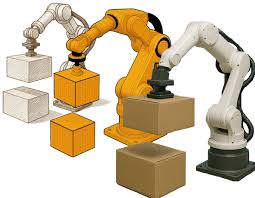
A pick-and-place robot is a type of industrial robot designed to automate the process of picking up an object from one location and placing it in another.
Here’s an overview of the essential product details commonly associated with robotic pick-up and drop systems. These details help design, select, or understand these systems.
1. Overview of the Best Robot Pick Up & Drop System
- Functionality: Automated systems designed to pick objects from one location and drop them at a specified destination.
- Use Cases: Material handling, packaging, assembly, palletizing, sorting, and quality inspection.
2. Key Components
Pick and Place Robot Arm
- Types: Cartesian, SCARA, 6-axis articulated, delta, or collaborative (cobot).
- Degrees of Freedom (DOF): Typically 3 to 6 for pick-and-drop tasks.
- Payload Capacity: Ranges from a few grams to several hundred kilograms, depending on the application.
End-Effector (Gripper)
- Types: Vacuum suction cups, electromagnetic grippers, pneumatic grippers, or mechanical clamps.
- Material Handling Capability: Suitable for handling items such as boxes, fragile components, metallic parts, or irregularly shaped objects.
Vision System (Optional)
- Function: Uses cameras and sensors for object detection, alignment, and positioning.
- Technology: 2D and 3D vision systems with machine learning integration.
Controller
- Role: Coordinates robot movements, and gripper operation, and integrates with sensors and external systems.
- Types: PLC-based or dedicated robot controllers with programming interfaces.
Sensors
- Types: Proximity sensors, load sensors, force-torque sensors, and cameras.
- Purpose: Ensures safe, precise, and consistent operation.
3. Technical Specifications
- Reach: Maximum distance the robotic arm can extend.
- Cycle Time: Time required for a complete pick-and-drop cycle.
- Accuracy: Positioning precision, typically within ±0.1 mm to ±1 mm.
- Speed: Often measured in meters per second or degrees per second for joint movement.
- Power Requirements: Electrical supply, often 220-480V AC.
- Programming Language: Supports popular robotics languages like Python, C++, or vendor-specific languages.
4. Features
- Customizability: Modular grippers or interchangeable tools.
- Safety Mechanisms: Collision detection, emergency stops, and ISO-certified safety features.
- Connectivity: Supports communication protocols like Ethernet/IP, Modbus, and Wi-Fi for IoT integration.
- Flexibility: Can handle different products, shapes, and weights with minimal reprogramming.
5. Software Integration
- Programming Tools: Graphical interfaces, teaching pendants, or code-based programming.
- AI and ML Integration: Enables real-time decision-making for unstructured environments.
- ERP/WMS Integration: Compatibility with enterprise resource planning (ERP) or warehouse management systems (WMS).
6. Industry Applications
- Manufacturing: Assembly line tasks, material transfer, and quality inspection.
- Logistics and Warehousing: Order picking, sorting, and palletizing.
- Healthcare: Handling medical supplies or surgical instruments.
- Food & Beverage: Packaging, sorting, and delicate handling.
7. Maintenance and Support
- Maintenance Requirements: Regular lubrication, calibration, and firmware updates.
- Diagnostics: Self-diagnostic tools and predictive maintenance alerts.
- Warranty: Typically 1-3 years, extendable with service contracts.
Advantages
- Speed and Efficiency:
- Robots significantly reduce the cycle time compared to manual operations.
- Precision and Consistency:
- Ensure accurate placement and uniform quality in repetitive tasks.
- Flexibility:
- Programmable for different objects, shapes, and workflows.
- Cost Savings:
- Lowers operational costs through automation in the long term.
- Improved Safety:
- Reduces the need for human involvement in dangerous or ergonomically challenging tasks.
- Scalability:
- Easily integrated into existing systems and upgradable for higher workloads.
If you’re looking for specific product recommendations, comparisons, or suppliers, feel free to ask!


Reviews
There are no reviews yet.