


Description
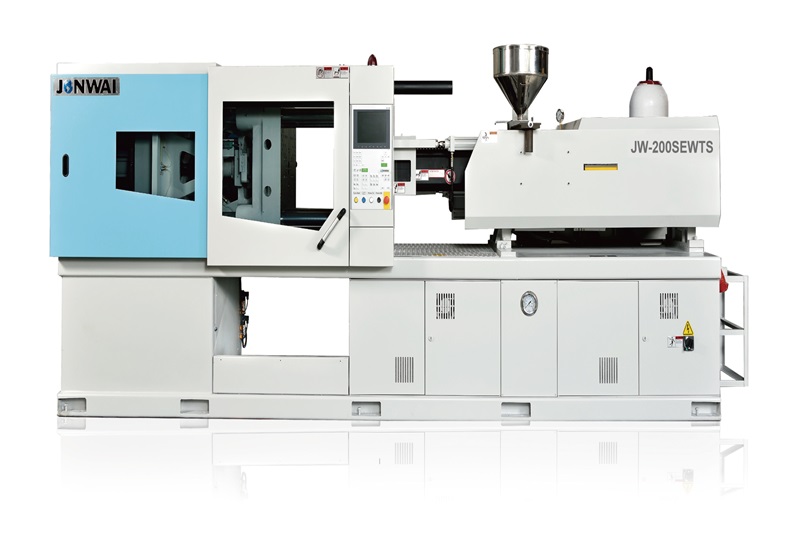
Advanced Sheet Extruder Machine – Precision and Performance
Our Sheet Extruder Machine is engineered for high-efficiency, large-scale plastic sheet production. Designed to handle various materials such as PP, PS, PET, and PVC, this versatile machine serves industries like packaging, construction, and automotive. Its advanced extrusion technology delivers smooth, uniform sheets with precise thickness, ideal for applications such as thermoforming, food packaging, and waterproof membranes.
Types of Extruder Machines
Sheet extrusion machines come in various types, each tailored for specific materials and industry needs. Here are the most common types:
1. Single-Screw Extruder
- Overview: The most common extrusion machine, a single-screw extruder melts plastic material and forces it through a die to create sheets with specific thickness and width.
- Applications: Widely used for PET, PP, PS, and other thermoplastics.
- Pros: Simple design, cost-effective, and suitable for low-volume production.
2. Twin-Screw Extruder
- Overview: Features two intermeshing screws for better control of mixing and extrusion processes. Ideal for complex materials and speciality products.
- Applications: Used for materials requiring precise blending, such as PVC, ABS, and engineering plastics.
- Pros: Excellent for high-filler content materials and producing uniform sheets.
3. Co-Extrusion Sheet Extruder
- Overview: Combines two or more materials into a single multi-layer sheet. Materials are processed separately and merged during extrusion.
- Applications: Ideal for packaging requiring barrier properties, like food packaging and protective films.
- Pros: Produces multi-layer sheets with enhanced strength, flexibility, and barrier properties.
4. Roller-Die Sheet Extruder
- Overview: Utilizes a roller die to shape and control the thickness of extruded sheets.
- Applications: Suitable for thicker sheets requiring a smooth surface.
- Pros: Ensures uniform thickness and quality.
5. Cast Film Extruder
- Overview: Designed to create thin, flat films for flexible packaging and medical applications.
- Applications: Produce films for packaging, clean sheets, and laminated products.
- Pros: Delivers high-quality sheets with excellent clarity and uniformity.
6. Vacuum Forming Sheet Extruder
- Overview: Produces sheets specifically for vacuum forming into complex shapes.
- Applications: Common in manufacturing trays, lids, and containers.
- Pros: High-speed production for intricate designs.
Key Features of Our Sheet Extruder Machine
- Wide Material Compatibility: Processes PP, PET, PS, and PVC for applications in food packaging, automotive, and construction.
- High-Speed Production: Maximizes output while maintaining exceptional product quality.
- Customizable Settings: Adjustable sheet width, thickness, and speed to meet specific production requirements.
- Energy-Efficient Operation: Advanced technology reduces energy consumption and operational costs.
- User-Friendly Interface: Intuitive controls enable real-time monitoring and precise adjustments.
- Durable & Reliable: Built with high-quality materials for long-lasting performance and minimal maintenance.
Applications
Our Sheet Extruder Machine is suitable for diverse industries, including:
- Packaging: Produces sheets for food packaging, clamshell containers, and more.
- Automotive: Manufactures durable sheets for vehicle interiors and exteriors.
- Construction: Creates plastic sheeting for roofing, flooring, and waterproof membranes.
- Medical: Produces medical-grade sheets for packaging and components.
Sheet Extrusion Process
The sheet extrusion process involves the following steps:
1. Feeding and Preheating
- Raw Material Feeding: Plastic granules or pellets are fed into the machine’s hopper.
- Preheating: Material moves into the barrel, where it begins to melt.
2. Melting and Mixing
- Screw Rotation: Rotating screws mix and homogenize the plastic as it melts.
- Temperature Control: Heated zones ensure uniform melting without material degradation.
3. Extrusion Through the Die
- Die Assembly: The molten plastic is shaped into a continuous sheet as it passes through the die.
- Sheet Formation: The sheet takes form with precise dimensions.
4. Cooling and Solidifying
- Calender Rolls: Cooling rolls compress and cool the sheet to the desired thickness and texture.
- Cooling System: Water or air cooling may be used for rapid solidification.
5. Pulling and Stretching
- Puller System: Ensures consistent sheet speed and prevents distortion.
- Thickness Adjustment: Fine-tuned for precise sheet dimensions.
6. Trimming and Edge Control
- Trim System: Rotary knives create clean, smooth edges.
- Edge Quality: Ensures uniformity and eliminates uneven areas.
7. Winding and Reeling
- Winder/Rewinder: Rolls up finished sheets for storage or further processing.
- Quality Check: Automated inspection ensures defect-free sheets.
Types of Plastic Sheets Produced
Our machine can produce sheets from a variety of materials, including:
- Polypropylene (PP)
- Polyethylene (PE)
- Polystyrene (PS)
- Acrylic
- PVC (Polyvinyl Chloride)
- PET (Polyethylene Terephthalate)
Why Choose Our Sheet Extruder Machine?
With robust construction and advanced features, our Sheet Extruder Machine ensures:
- Top-Quality Production: Consistent, high-quality output.
- Operational Efficiency: Reduced energy costs and minimal maintenance.
- Reliability: Long-lasting performance for diverse industrial needs.
Contact us today to explore custom solutions tailored to your production requirements.



Reviews
There are no reviews yet.