




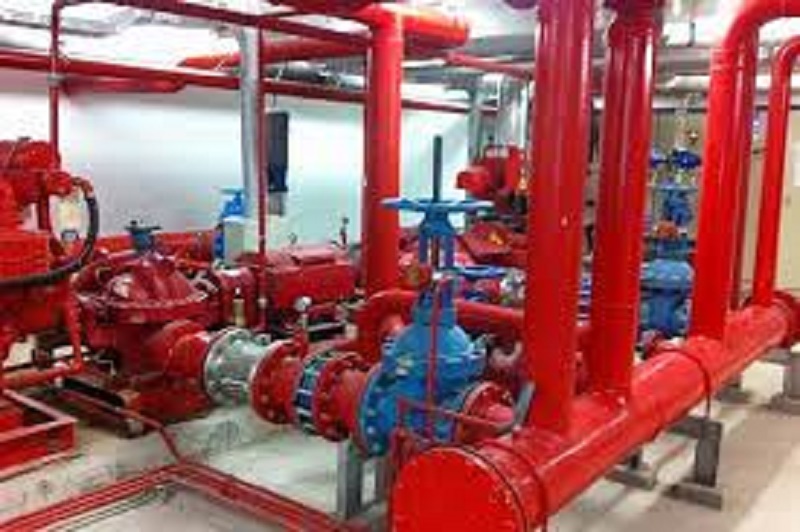
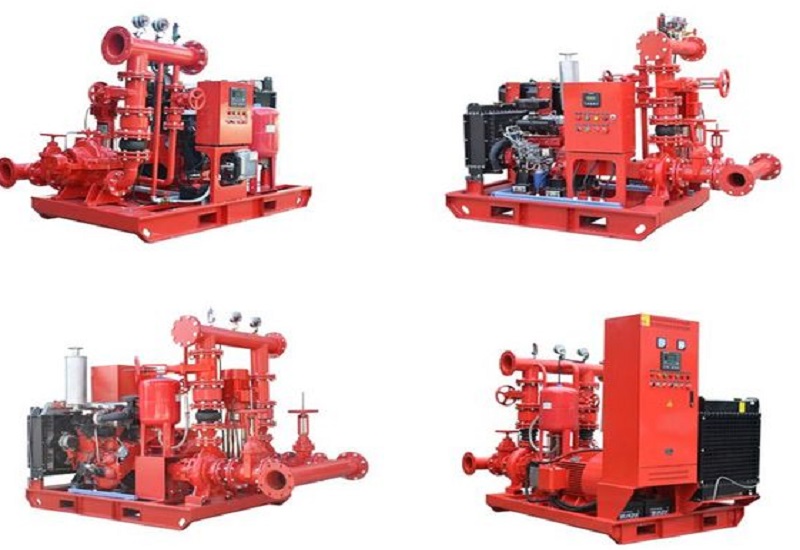
Description

Fire hydrant systems are essential components of fire protection infrastructure, designed to provide a reliable source of water for firefighting operations. These systems are strategically installed in various locations to ensure quick access during emergencies. Here is an overview of fire hydrant systems:
Step-by-Step Guide to Installing a Fire Hydrant System
Installing a Fire Hydrant System involves careful planning and adherence to safety and regulatory standards. Here’s a step-by-step guide to installing a fire hydrant system:
1. Planning and Design
- Site Assessment: Evaluate the area to determine the number, type, and location of fire hydrants based on building layout and fire risk.
- Hydraulic Calculations: Conduct calculations to determine water pressure, flow rate, and the required pipe size for adequate water supply.
- Compliance with Standards: Ensure the system design meets local fire safety codes and standards (e.g., NFPA 24, local fire department regulations).
2. Choosing Materials
- Pipes: Use durable materials like ductile iron, PVC, or steel that can withstand high pressure and environmental conditions.
- Hydrants: Choose hydrants designed for the specific pressure and flow rate needed. Verify that they meet relevant standards (e.g., UL-listed hydrants).
- Valves and Fittings: Select high-quality valves and fittings to ensure system integrity and safety.
3. Excavation and Trenching
- Digging: Excavate trenches to the required depth and width, ensuring proper slope for water drainage.
- Protection: Implement safety measures, such as shoring and barriers, to protect workers during excavation.
4. Laying Pipes and Installing Hydrants
- Pipe Installation: Lay the pipes, connecting them securely with joints and ensuring they are properly supported with straps or anchors.
- Hydrant Placement: Install hydrants at designated locations, ensuring they are at the correct elevation and alignment with the water main.
- Connecting Hydrants: Use appropriate fittings to connect hydrants to the pipe network, ensuring airtight and leak-proof seals.
5. Testing and Pressure Checks
- Pressure Testing: Conduct hydrostatic testing to verify that the system can handle the required pressure without leaking.
- Flow Testing: Perform flow tests to ensure that each hydrant delivers the required water flow rate and pressure.
- Inspection: Check for leaks, proper valve operation, and that hydrants are accessible and free of obstructions.
6. Backfilling and Restoration
- Backfill: Carefully backfill the trenches, compacting the soil to prevent settling.
- Surface Restoration: Restore pavement, landscaping, or any affected areas to their original state.
7. Final Inspection and Handover
- Inspection by Authorities: Schedule an inspection by fire safety authorities or local government to verify compliance with regulations.
- Documentation: Provide a comprehensive report, including testing results and maintenance guidelines, to the relevant parties.
8. Ongoing Maintenance
- Regular Inspections: Schedule periodic checks for any damage or wear.
- Testing: Conduct annual flow and pressure tests to ensure continued functionality.
- Repairs: Promptly address any repairs or replacements needed to maintain the system’s effectiveness.
This installation process ensures a fire hydrant system is reliable, compliant, and ready for emergency use.
Types of Fire Hydrant Systems
- Wet Barrel Hydrants: Common in warmer climates, these hydrants have water available in the barrel at all times. They are ideal for areas that do not experience freezing temperatures.
- Dry Barrel Hydrants: Used in colder climates, these hydrants are designed to drain water from the barrel when not in use to prevent freezing.
- Post Indicator Valve (PIV) Systems: Feature a valve that controls the flow of water to the hydrant, allowing isolation during maintenance or emergencies.
- Underground Hydrant Systems: Consists of a network of pipes running underground, connecting to hydrants at various locations for optimal coverage.
Benefits of Fire Hydrant Systems
- Enhanced Fire Safety: Fire hydrant systems provide an immediate and reliable source of water, enabling effective firefighting and reducing the risk of property and life loss during emergencies.
- Quick Emergency Response: With strategically placed hydrants, firefighters can quickly access water at the scene, ensuring rapid suppression of fires and minimizing damage.
- Cost-Effective Fire Protection: By allowing for effective and early fire suppression, hydrant systems help reduce repair and reconstruction costs, insurance premiums, and overall fire damage expenses.
- Compliance with Regulations: Installation of fire hydrant systems meets local building codes and fire safety standards, ensuring regulatory compliance and avoiding penalties.
- Improved Community Safety: Public hydrant systems enhance the safety of neighbourhoods and urban areas, creating peace of mind for residents and business owners.
- Prevention of Fire Spread: Hydrants enable effective control of fires, preventing them from spreading to adjacent properties and reducing overall fire impact.
- Versatile Applications: Hydrant systems are adaptable to various settings, including residential, commercial, and industrial areas, ensuring comprehensive fire protection across different environments.
- Maintenance of Water Supply: Hydrant systems can be integrated into municipal water networks, allowing them to function as a backup water supply in certain situations, ensuring a continuous source of water in emergencies.
- Reduced Fire Department Response Time: Having well-distributed hydrants throughout an area helps fire departments reach and start firefighting efforts faster, significantly cutting down response times.
- Low Maintenance Costs: Fire hydrants are durable and require relatively low maintenance compared to other fire suppression systems, providing long-term cost savings for municipalities and property owners.
Overall, fire hydrant systems are an essential investment in community safety and property protection, contributing to fire prevention, rapid response, and enhanced overall public safety.
Conclusion
Fire hydrant systems play a crucial role in safeguarding properties and lives by providing firefighters with immediate access to water. Proper installation, maintenance, and compliance with safety standards are essential for these systems to function effectively when needed.




Reviews
There are no reviews yet.