

Description
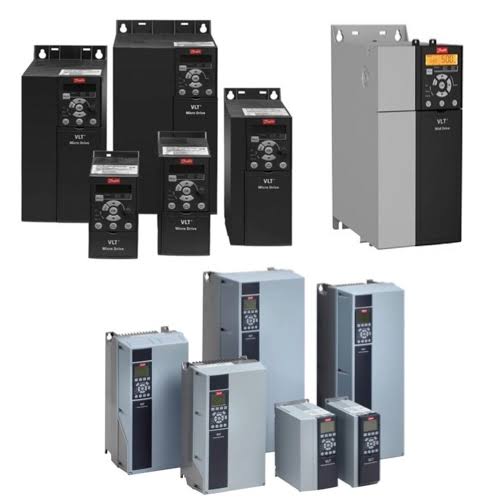
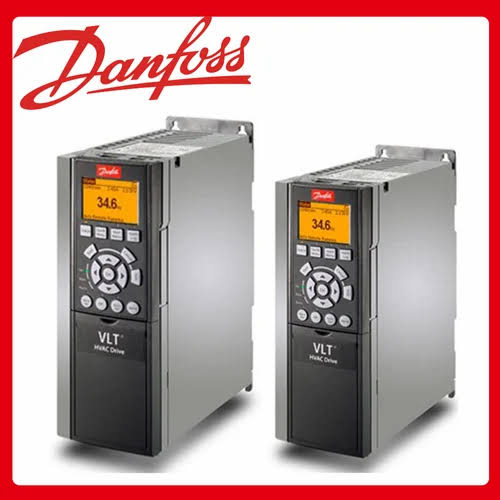
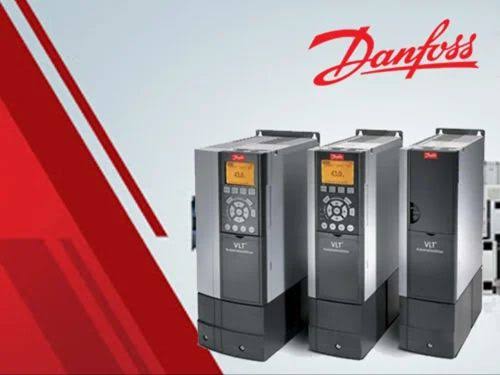
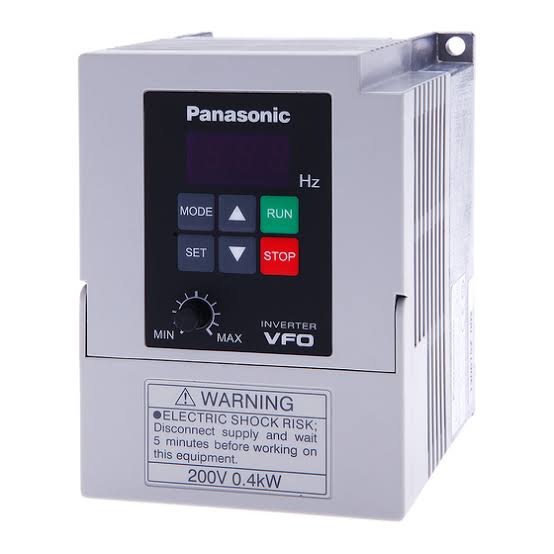
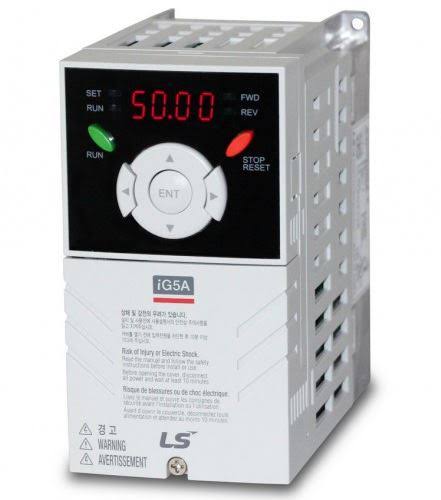
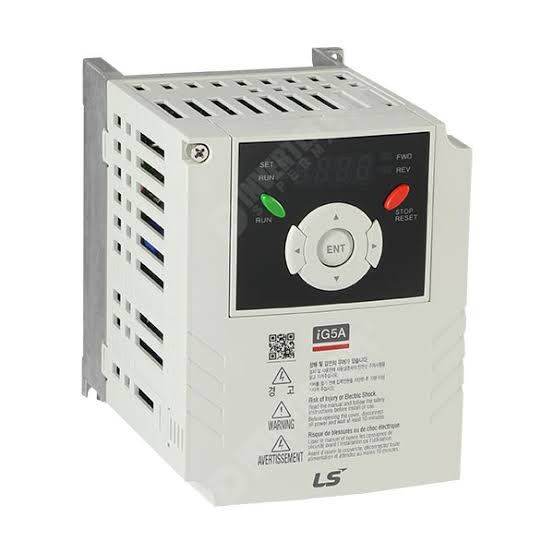
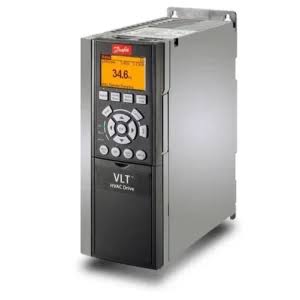
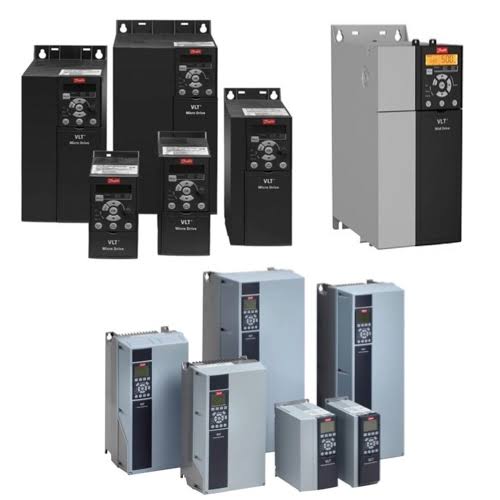
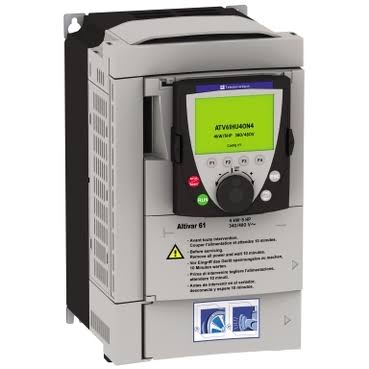
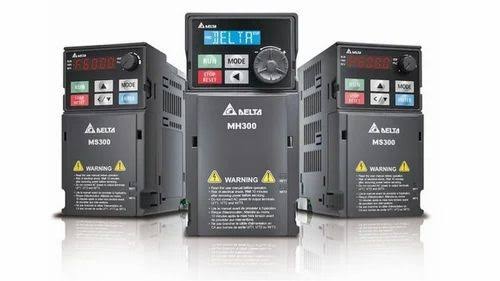
The Frequency Inverter is a state-of-the-art device that precisely controls motor speed and torque across various applications. Engineered for performance, energy efficiency, and durability, this inverter ensures seamless operation in industrial, commercial, and specialized environments such as HVAC systems and clean rooms.
Key Features
- Variable Speed Control: Adjust motor speed seamlessly to optimize performance and reduce energy consumption.
- Energy Efficiency: Built with advanced algorithms to lower operational costs and improve system efficiency.
- Soft Start/Stop Functionality: Minimize mechanical stress during motor startup and shutdown, extending equipment lifespan.
- Torque Control: Accurate and stable torque output to meet demanding process requirements.
- Integrated Protection Systems: Safeguards against overvoltage, overcurrent, overheating, and short circuits.
- Compact Design: Space-saving build for easy integration into various systems.
- Intuitive Interface: User-friendly controls with an LCD and programmable settings.
Applications
- HVAC Systems: Enhance efficiency in air handling units, cooling towers, and ventilation fans.
- Clean Room Equipment: Precision control for fan filter units (FFUs) and airflow regulation.
- Industrial Automation: Ideal for pumps, conveyors, mixers, and CNC machines.
- Renewable Energy Solutions: Compatible with solar and wind energy systems for motor control.
- General Motors: Applicable to single-phase and three-phase AC motors.
Technical Specifications
- Input Voltage: 220V/380V (Single-phase/Three-phase)
- Output Frequency Range: 0.1 Hz – 400 Hz
- Control Mode: V/F (Voltage/Frequency) Control, Vector Control
- Protection Level: IP20/IP65 options available
- Operating Temperature Range: -10°C to +50°C
Type of Frequency Inverter
Here are the different types of frequency inverters, categorized by various factors such as voltage, application, and control method:
1. Based on Voltage
Low-Voltage Frequency Inverters
- Designed for motors operating at voltages below 690V.
- Commonly used in applications like HVAC, small industrial machinery, and clean room equipment.
Medium-Voltage Frequency Inverters
- Suitable for motors with operating voltages between 690V and 3kV.
- Applied in heavy industries like mining, steel manufacturing, and large-scale HVAC systems.
High-Voltage Frequency Inverters
- For motors running at voltages above 3kV.
- Used in high-power applications like power plants, oil and gas, and water treatment facilities.
2. Based on Input Phase
Single-Phase Frequency Inverters
- Designed for single-phase power supply.
- Typically used in small-scale applications or household devices.
Three-Phase Frequency Inverters
- Designed for three-phase power supply.
- Suitable for industrial and commercial systems requiring high power.
3. Based on Control Method
V/F Control (Voltage/Frequency Control)
- Basic control method with a fixed ratio of voltage to frequency.
- Suitable for simple applications like fans and pumps.
Sensorless Vector Control
- Provides better motor performance without using feedback sensors.
- Ideal for applications requiring moderate precision.
Closed-Loop Vector Control
- Uses feedback sensors to ensure accurate speed and torque control.
- Suitable for high-precision applications like CNC machines.
Direct Torque Control (DTC)
- Offers high torque response and control accuracy.
- Used in demanding industrial processes.
4. Based on Application
General-Purpose Frequency Inverters
- Versatile and suitable for standard applications like fans, pumps, and conveyors.
Specialized Frequency Inverters
- Designed for specific industries or applications, such as:
- HVAC Systems: Optimized for air handling units, cooling towers, and ventilation fans.
- Clean Room Equipment: For precision airflow and pressure control.
- Elevators and Escalators: Smooth speed transitions and braking.
- Renewable Energy: For solar water pumps and wind turbines.
5. Based on Protection and Environment
Open-Type Frequency Inverters
- Installed in controlled environments like industrial panels.
- Require external enclosures for protection.
Enclosed Frequency Inverters
- Built-in enclosures to protect against dust, moisture, and mechanical damage.
- Available with IP20, IP55, or IP65 ratings for various environmental conditions.
6. Based on Power Supply
AC-AC Frequency Inverters
- Converts AC input to adjustable AC output.
- Standard type for industrial applications.
DC-AC Frequency Inverters
- Converts DC input (e.g., from batteries or solar panels) to adjustable AC output.
- Common in renewable energy systems and uninterruptible power supplies (UPS).
7. Based on Mounting Type
Wall-Mounted Frequency Inverters
- Compact and easy to install on walls.
- Ideal for small to medium-scale applications.
Cabinet-Mounted Frequency Inverters
- Installed within cabinets for protection and integration into larger systems.
- Used in industrial settings.
Standalone Frequency Inverters
- Independent units with built-in controls.
- Suitable for portable or remote applications.
Each type of frequency inverter is designed to meet specific operational needs, ensuring efficiency, reliability, and precision in various applications.
Why Choose Our Frequency Inverter?
- Energy Savings: Achieve significant reductions in power usage.
- Reliability: Designed for long-term, heavy-duty performance.
- Customizability: Programmable settings tailored to specific operational needs.
- Versatility: Suitable for a broad range of industries and applications.
Experience next-level motor control with the Advanced Frequency Inverter, your ultimate solution for efficiency, precision, and sustainability.


Reviews
There are no reviews yet.